World Bank said Malawi has for the first time executed its national budget within approved limits in years.
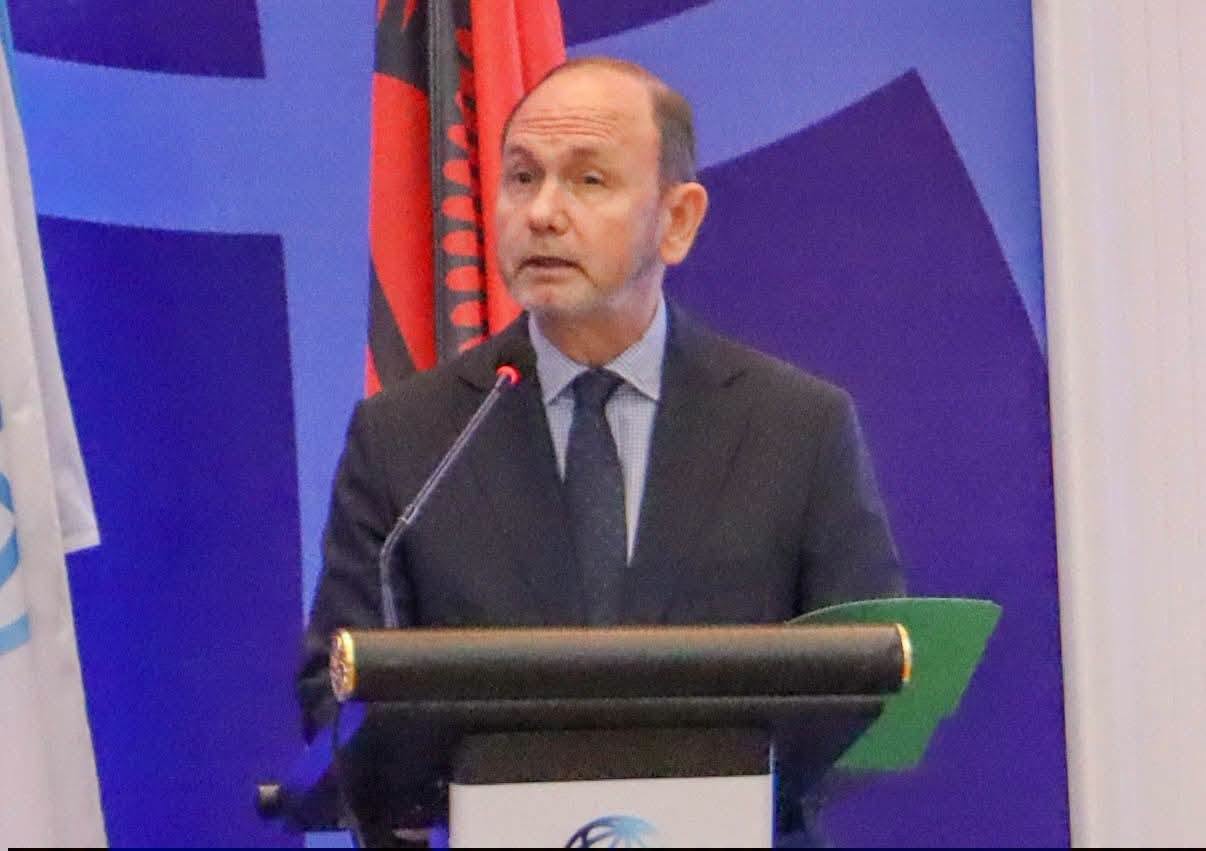
Speaking on Thursday during the launch of the 23rd Malawi Economic Monitor (MEM) in Lilongwe, World Bank Division Director for Malawi, Tanzania, Zambia and Zimbabwe, Firas Raad, said Malawi has managed to narrow its fiscal deficit to a single digit of 8.9 percent, from three average points of 10.7 percent.
Raad also said Malawi has managed to reduce poverty rate from 50.7 percent to 47.3 percent.
However, Raad said, restoring macro-economic stability, will require stronger fiscal discipline, debt restructuring and measures to resolve foreign exchange market, alongside reforms aimed at enabling private sector-led growth.
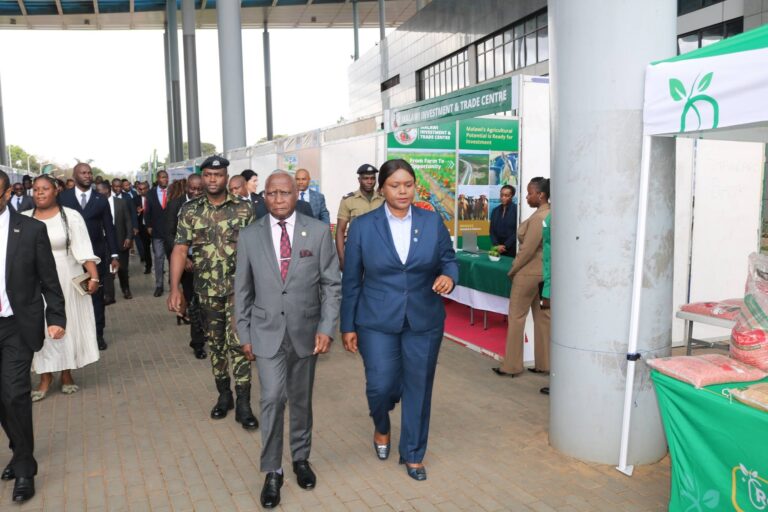
In his remarks, Minister of Finance and Decentralization Joseph Mwanamvekha, said Malawi has made significant progress citing the reduction in inflation rate, and an improvement in foreign-exchange reserves from less than one month to 2 months of import cover.
Mwanamvekha said the Malawi government has made progress in strengthening fiscal discipline, expenditure controls, domestic revenue mobilisation and debt management, adding, the inflation has declined from 28.2 percent in August 2025, to 20 percent in August 2026, while food inflation has dropped from 33.7percent to 13.4 percent.
On State-Owned Enterprises, the minister said government is implementing targeted interventions to improve operational efficiency, accountability, transparency and financial sustainability.
The Minister said, government is engaging the International Monetary Fund, on the possible return of the Extended Credit Facility programme, with reforms expected to be carefully sequenced alongside measures to protect vulnerable households.
Mwanamvekha also urged citizens, businesses, public servants and development partners to support economic reforms and demand accountability.
Economics Association of Malawi (ECAMA) Executive member, Esmie Kayumbu, said though the country’s economy has stabilized but more needs to be done to ensure that the gains are sustainable.
Kayumbu said it is worrisome to note that to date, government enterprises still rely on government bail-outs which is retrogressive.
The 23rd edition of the Malawi Economic Monitor, is focusing on building economic stability to unlock sustainable economic growth.
About The Author