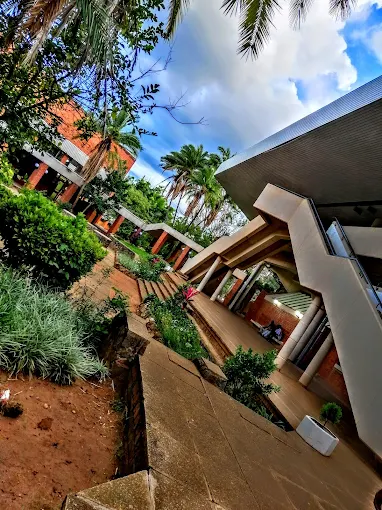
Some public universities have announced an increase in tuition fees for generic students from 650 thousand Malawi kwacha to 1.3 million Malawi kwacha per academic year applying to both new and continuing generic students. The hike which represents a 100 percent increase.
According to the notices signed by the University’s Registrars, these adjustments are necessary for the universities to maintain basic operations, amid rising living and operational costs as approved by the University Councils during their Extraordinary Meetings.
While four universities of University of Malawi (UNIMA), Lilongwe University of Agriculture and Natural Resources (LUANAR), Mzuzu University (Mzuni) and the Malawi University of Business and Applied Sciences (MUBAS) have made the 100 percent upward adjustment from 650 thousand to 1.3 million kwacha, Kamuzu University of Health Sciences (KUHES) has hiked its annual fee from K1 million to K2 million.
So far, five out of six public universities have implemented the tuition fee hikes with the Malawi University of Science and Technology MUST yet to make similar announcements.
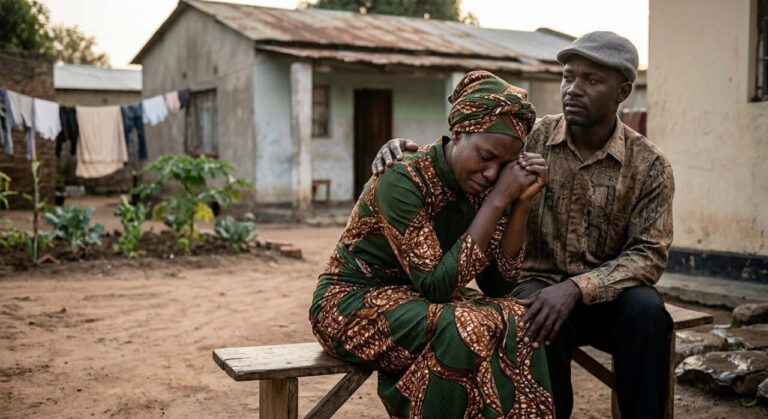
However, the steep increases sparked discussions among different stakeholders due to the financial pressure placed on families. Reacting to the development, an education expert Lexton Ndalama, while acknowledging the reasons behind the hike, he said this would negatively affect most vulnerable students in accessing tertiary education.
Speaking with radio Islam, Ndalama said the implemented increase in tuition fees is manifestation of the country’s poor economic status citing the continued rise in prices of commodities including basic and educational resources.
“The hike of the fees is an indicator of the economic situation at the moment. It shows that the universities have realised that the price of commodities have increased almost double and for them to run effectively they need to double the fees which is understandable. I think the only challenge is that in hiking the fees they have only considered one factor of education, which is supply factor, they are supplying education to the students to the general public and they have forgotten the demand side because those who demand education are students whose majority are coming from the marginalized families,” explained the education Scientist.
Ndalama said the public universities could have also assessed the parents’ ability to adjust towards the increase saying expensive education reduces the number of those who attain tertiary education as the marginalized students fail to pay.
He cited this year’s agricultural crisis which has resulted into poor business environment as one of the issues they Universities could have considered, saying a majority of families in Malawi rely upon Agriculture hence it would be so difficult for them to pay for their wards.
He has since asked the government to introduce a universal university loan fund that could accommodate all the marginalized students to have access to education saying if nothing is not done, only the students from well to do families who can afford to pay for the tuition fees, will have the advantage to pursue with their studies.
The increase in tuition fees has been made, after they were last reviewed in 2023.
About The Author