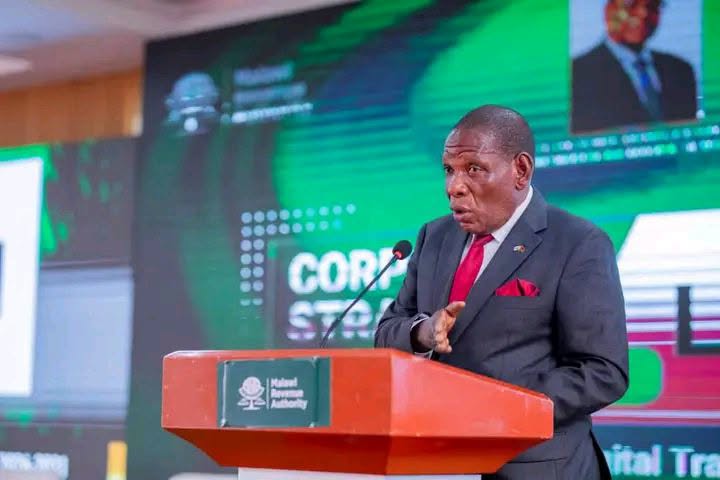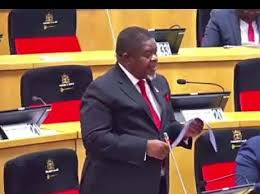
The Malawi Minister of Education Bright Msaka has defended the government’s decision to double tuition fees at public universities, saying the increase will not limit access to higher education for Malawians.
Speaking in Parliament on Thursday July 9, 2026, Msaka said the 100 percent fee increase should not be viewed as excessive, noting that public university tuition fees have, in the past, been increased by 200 percent.
He said the adjustment is necessary to enable public universities to continue operating effectively and maintain the quality of higher education amid growing financial pressures.
Msaka also assured Parliament that students who qualify for government loans will receive support that reflects the revised tuition fees.
He added that eligible students will be able to access loans of up to K1.3 million to help cover the new costs.
“No student will fail to go further with his or her education at the university because of this, no it will not happen. This is why, the Higher students’ loans and grant board was established and my ministry in collaboration with the ministry of finance have ensured that the board is funded to make suer that students from poor family backgrounds are accessing the loans fully”, Msaka said.
Since the announcement of the 100 percent tuition fees hike on 1 July, 2026, different members of the society including Malawi public Universities students Union as well as the opposition parties, have been condemning the government about the fee hike, saying most Malawian students come from poor families who can not afford expensive university education.
Meanwhile, Member of Parliament for Lilongwe Nyanja, Steve Baba Malondera, expressed concern over the 100 percent increase, arguing that the higher fees could make university education unaffordable for many families.
Malondera urged the government to ensure that all Malawians, regardless of their economic status, have access to quality higher education and that the fee adjustment does not disadvantage students from low-income households.
Currently, the Higher Education Students Loans and Grants Board requested employers of the former beneficiaries of its students’ loans program to support the board in the recovery effort by ensuring that their employees repay their loans.
According to the board, although it managed to recover 1 billion kwacha in the 2025-2026 financial year and at least 150 million kwacha since April this year, the money was not enough to cover for the students support program.
The board’s spokesperson Milly Kasunda said that the board is in dire need of funding due to an increase in tuition fees in public universities and the number of students in need of the loans.
According to the board, it received 48 thousand applications surpassing its target of 38 thousand beneficiaries.
About The Author