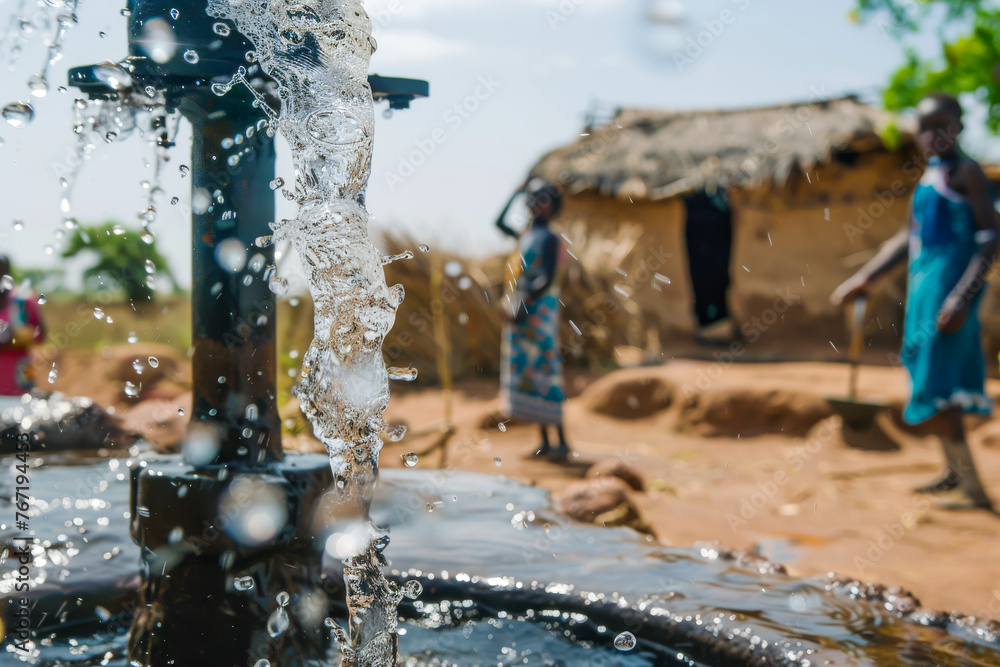
Baseflow Malawi has disclosed that many Malawians especially in rural areas, still lack access to safe drinking water, stressing the need for the country to find ways of providing the rural masses with advanced technologies that can help in filtering the water.
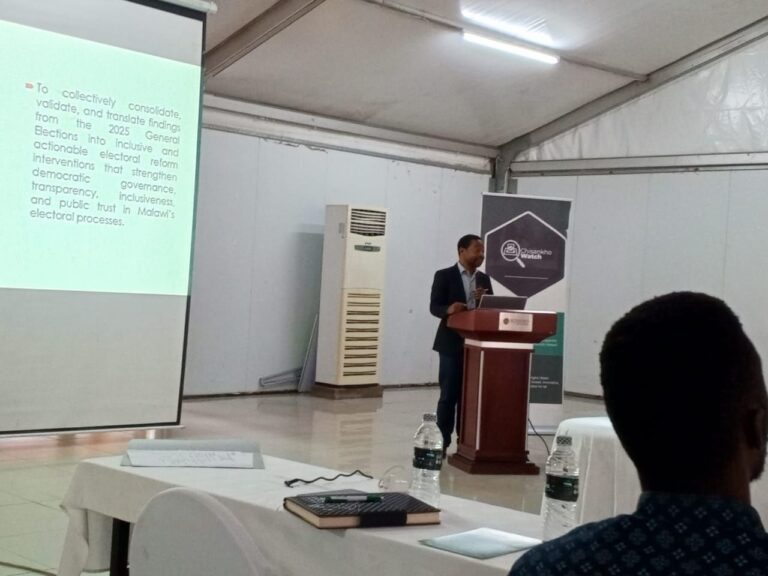
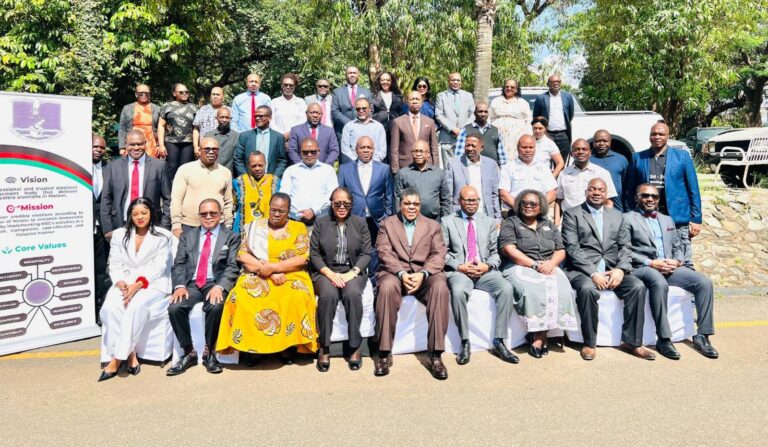
Speaking during a stakeholder meeting for the Malawi Safe Water Programme (M-SWAP) in Lilongwe, Baseflow Malawi Team Leader Muthi Hlema said access to safe and clean drinking water remains a significant challenge for many Malawians.
He said statistics indicate that 67% of households in the country are able to access basic water supply however there are issues affecting the provision of safe drinking water like functionality of the water sources close by, seasonality of the water systems as well as quality of the water.
Hlema says although the Millennium Development Goals (MDGs) helped in improving access to water, provision of quality water remains a problem.
“Malawi was the second water coverage and it became second from Botswana according to the BBC but now it is not enough just to have a borehole, but we also need to see if the water we are providing to the people is clean and this why we are promoting the use the UHT filter to ensure that people at household level to be able to use”, he explained.
Hlema said the organisation will introduce the UHF water filters to be distributed to 60 thousand households in rural communities in the districts of Mulanje and Chikwawa to help reduce carbon emissions.
“Baseflow is an in country over seer in this agreement so we will be monitoring how the rural communities are using the filters, maintain them and also provide assistance in repairing them where necessary. This filters are easy to maintain and clean so the households will be able us them”, added Hlema.
Meanwhile, Yves Keller, a representative of First Climate; a carbon consultancy company from Switzerland, said they will assess the project, ensure that they are providing the necessary support including technical expertise and advise, therefore expressed optimism that the agreement will be able to achieve its goals.
This is the first meeting out of the three meetings the two parties organised to ensure viability and the success of the project.The safe water project will be financed through carbon revenues generated from carbon credits and will initially be implemented in Chikwawa and Mulanje districts.
About The Author