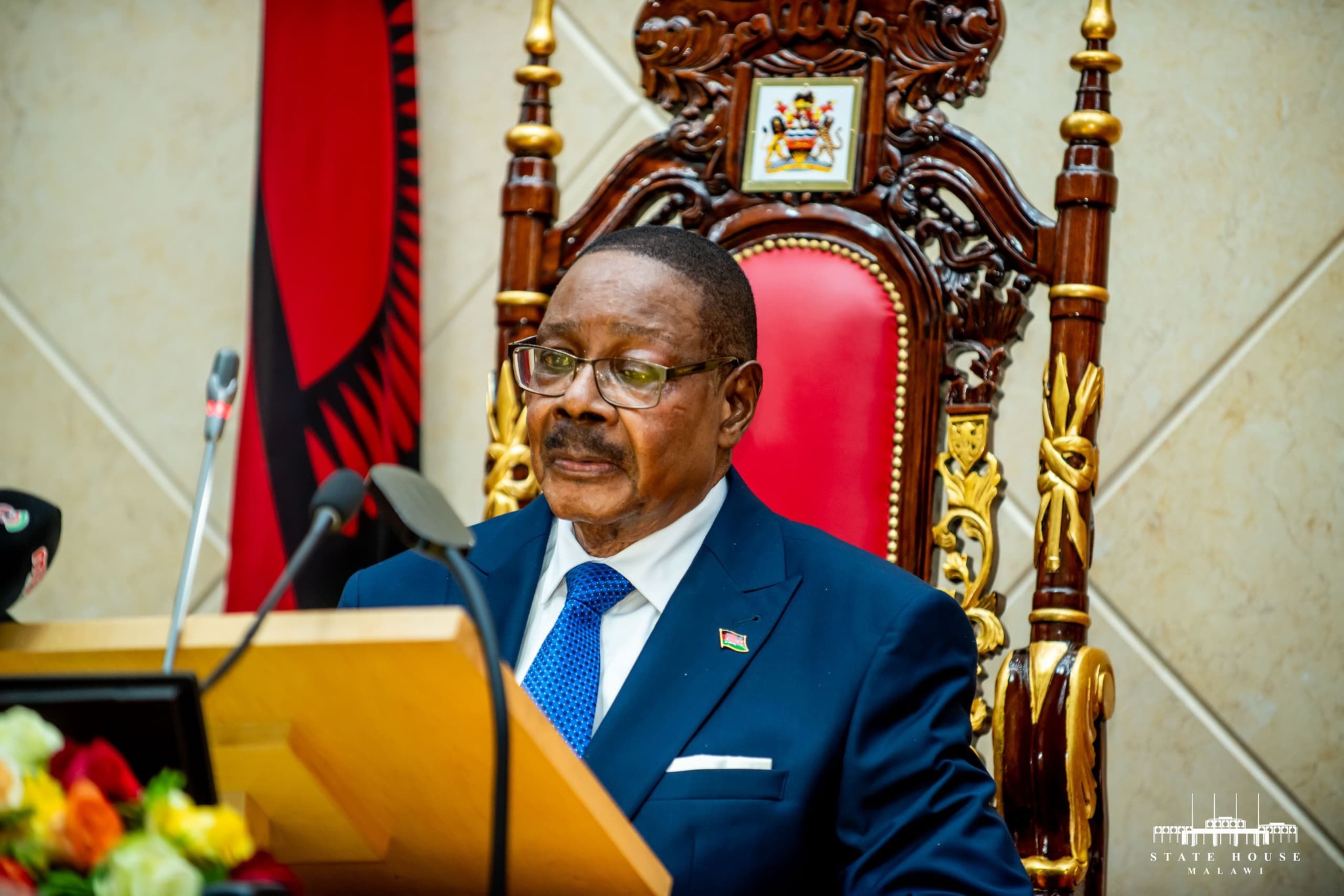
Experts have hailed president Mutharika’s second executive order which has directed all public places, including workplaces and schools, to install hand washing facilities to promote hygiene.
The directive, signed by the Secretary to the President, Dr. Justine Saidi, and states that areas like markets, bus stations, entertainment venues, and parking lots must have hand washing stations with soap and water, came into effect immediately.
The order also warns that anyone failing to comply will be breaking the law and will be dealt with accordingly.
However, speaking in an interview with Radio Islam, public health expert, Professor Adamson Muula said it is shameful that Malawi remains unhygienic, despite launching the Public Health Act which has not been fully enforced.
According to professor Muula having enacted years back the act remains ineffective as those entrusted to raise awareness have not been spearheading the initiative.
“Those of us working in public health we should have done this already, raise awareness, used various portfolios to get it done. Not only us nut also city councils, district councils to ensure that public places have these amenities. We could not have waited for the president to do things that we are employed to do”, Professor Muula explained.
Muula said President has done this in good faith hence urging district councils and public heath personnel to help in ensuring that the order is followed so that the country can deal with public health emergencies.
In his remarks, environmental expert, Grecian Kam’nyamata, said hygiene interventions are essential in as far as financial investments and developmental activities are concerned, hence stressed the need for the enforcement of the order to achieve its goal.
He said the order is timely saying the president has put into consideration the health of his people, therefore requested all stakeholders to join hands at support the initiative.
The public Health Act of 1948 provides clear guidelines pertaining to issues surrounding health including prevention of disease, formulation of laws to prevent further spreading of diseases, infectious disease management and penalties for non-compliance among others.
About The Author