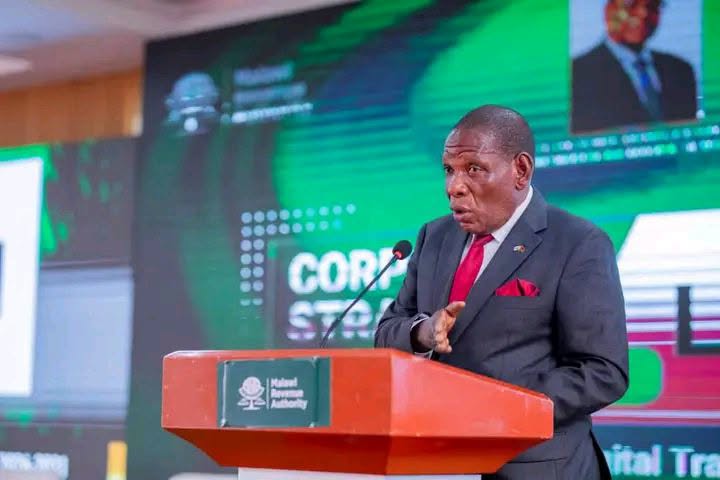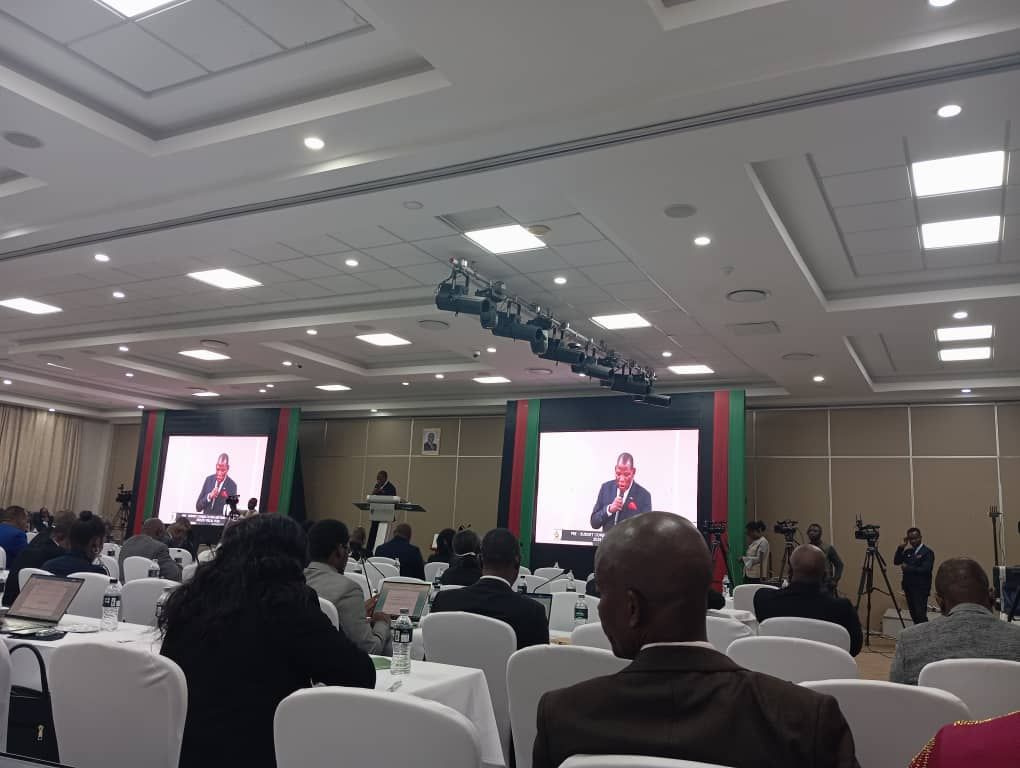
Pre-budget consultation meetings have ended with Minister of Finance and economic affairs, Joseph Mwanamvekha’s projection that Malawi’s economy will grow by 4% in the year 2026 and 5% in 2027.
Mwanamvekha has made these remarks during a pre-budget consultation meeting held at Mount Soche Hotel in Blantyre on Wednesday.
According to the minister, although the economy failed to achieve the projected 2.8 percent growth, the outlook remains positive.
“The Malawi economy continues to face significant macroeconomic pressures, including persistent foreign exchange shortages, high inflation, climate-related shocks, infrastructure and energy constraints, which have weighed down on the overall economic performance”.
“As a result, economic growth remains modest, with real GDP growth slightly revised downward to 2.7 percent in November 2025 from an earlier
Projection of 2.8 percent”, the minister explained.
However, Mwanamvekha has warned that the government is aware of illicit money transfers and money-laundering activities allegedly being conducted by some money-transferring institutions.
He said, authorities are closely monitoring the situation and will shut down banks and institutions found involved in illegal activities.
On inflation, Mwanamvekha has expressed optimism that the rate will decline further to around 20 percent, adding that the country’s economic future looks promising.
“Annual inflation averaged 32.3 percent in 2024 and is projected to decline to 28.5 percent in 2025 and further to 20.7 percent in 2026. However, in the short to medium terms, the anticipated improvements in key productive sectors will moderate the inflation further”. He said.
Meanwhile, Institute of Chartered Accountants in Malawi ICAM says a narrow tax base is putting a heavy burden on the informal sector citing the Pay as You Earn (PAYEE) tax bracket.
ICAM requested the government to introduce benefits for those complying with lax laws to increase levels of tax collection in the country.
The Minister has been engaging different stakeholders to solicit their views on the 2025-2026 national budget, and this is the final consultation meeting session.
About The Author